Zinc Phytase Supplementation: Supplier Guide for Animal Feed
B2B guide to zinc phytase supplementation in animal feed: dosage, process conditions, QC, COA/TDS/SDS, pilots, cost-in-use, and suppliers.
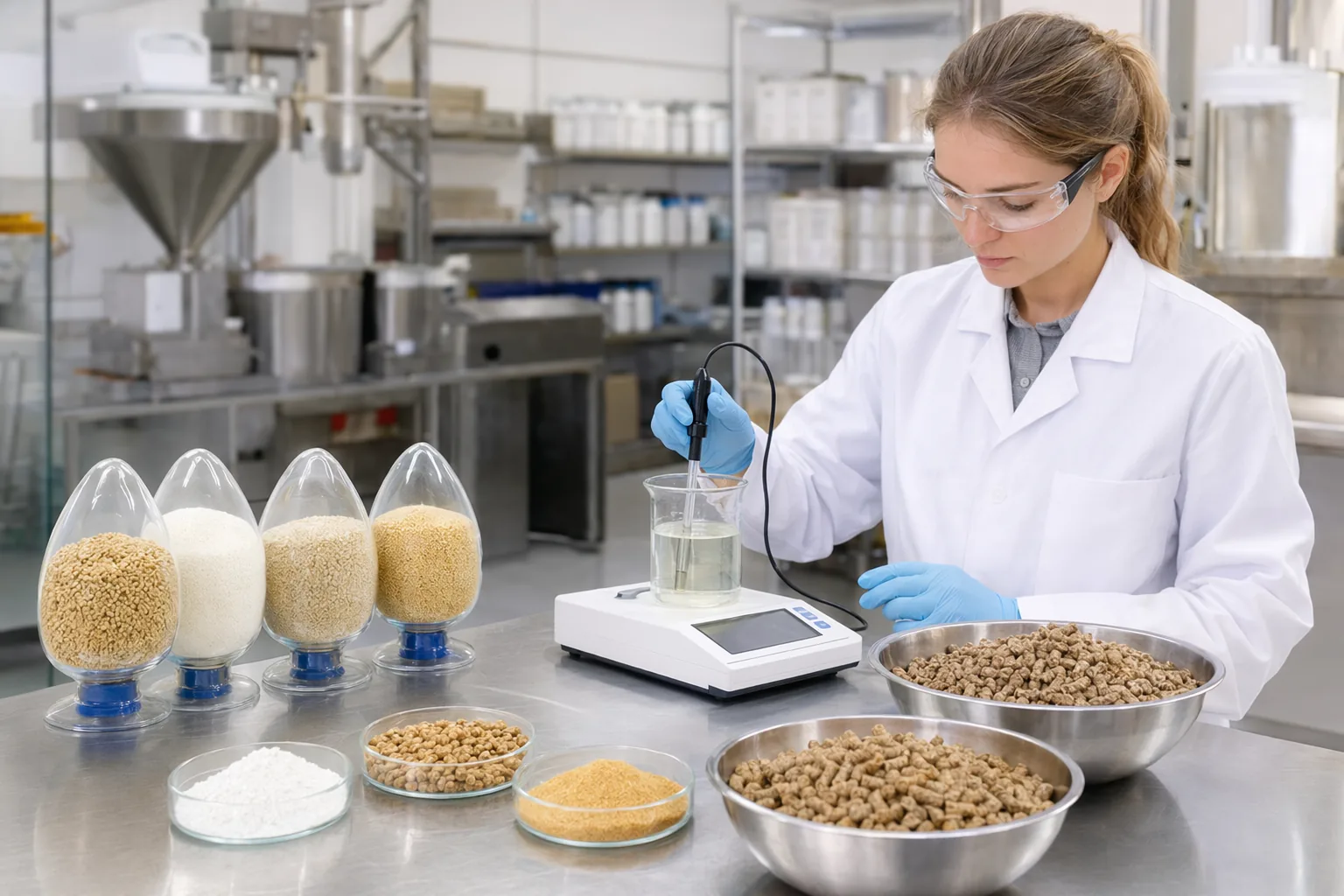
Source phytase for feed programs that target phosphorus release, mineral efficiency, and consistent mill performance without relying on unsupported claims.
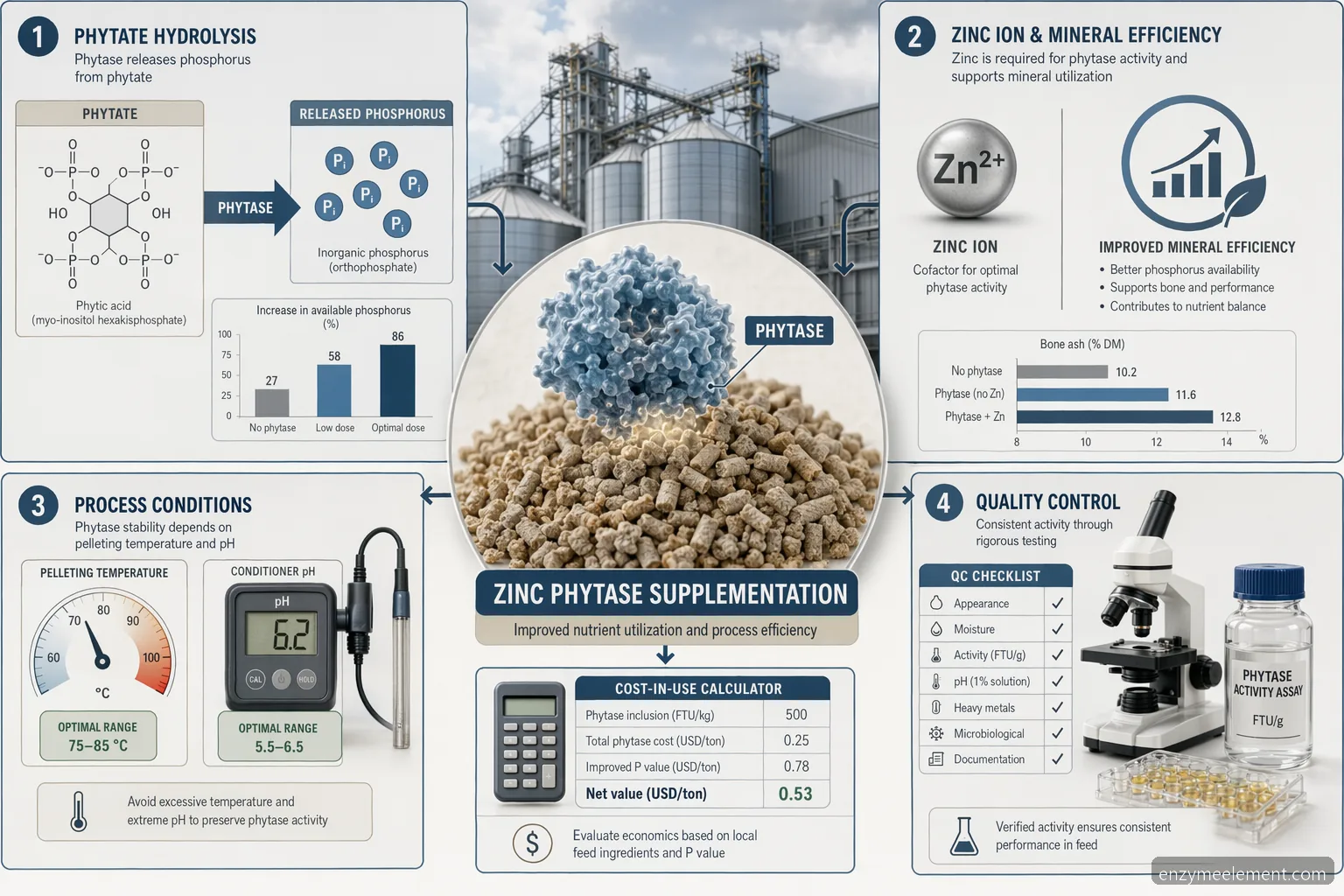
What Is Phytase in Feed Manufacturing?
Phytase is a phosphorus release enzyme used in animal feed to hydrolyze phytate, the main storage form of phosphorus in many plant ingredients. For nutritionists and feed manufacturers, the commercial value is practical: more available phosphorus can support lower inorganic phosphate inclusion, reduced nutrient waste, and better formula flexibility. The phrase zinc phytase supplementation is often used by buyers comparing phytase products used alongside zinc sources or evaluating mineral-enzyme interactions in premixes. It should not be confused with consumer health claims, zinc phytase botox searches, or clinical supplement advice. In B2B feed applications, the important question is whether the phytase enzyme maintains activity under the target pH, temperature, storage, and pelleting conditions. A qualified supplier should provide technical documentation and support pilot validation before scale-up.
Primary use: phosphorus release from phytate in plant-based feed • Common markets: poultry, swine, aquaculture, and companion animal feed • Buyer focus: activity, stability, recovery, compatibility, and cost-in-use
Process Conditions for Zinc with Phytase Programs
A phytase program should be designed around the animal, diet, and process route. Many commercial phytase products are active in acidic to mildly acidic conditions, commonly around pH 2.5 to 6.0, because this aligns with digestive environments where phytate hydrolysis is valuable. Temperature sensitivity varies by strain, formulation, coating, and granulation. Dry powder and granulated phytase may tolerate normal mixing, but pelleting can expose the enzyme to 70 to 90°C or higher for short periods. Liquid post-pellet application can reduce heat stress when thermal recovery is a concern. When using zinc with phytase, evaluate premix contact time, moisture, trace mineral reactivity, and storage temperature. Zinc citrate with phytase or zinc citrate phytase combinations should be checked for enzyme activity retention rather than assumed compatible.
Typical effective pH screening range: 2.5 to 6.0 • Pelleting exposure to assess: 70 to 90°C, depending on mill conditions • Storage checks: humidity, time, trace mineral contact, and carrier compatibility • Application routes: mash, premix, pelleted feed, or post-pellet liquid spray
Dosage Bands and Formulation Considerations
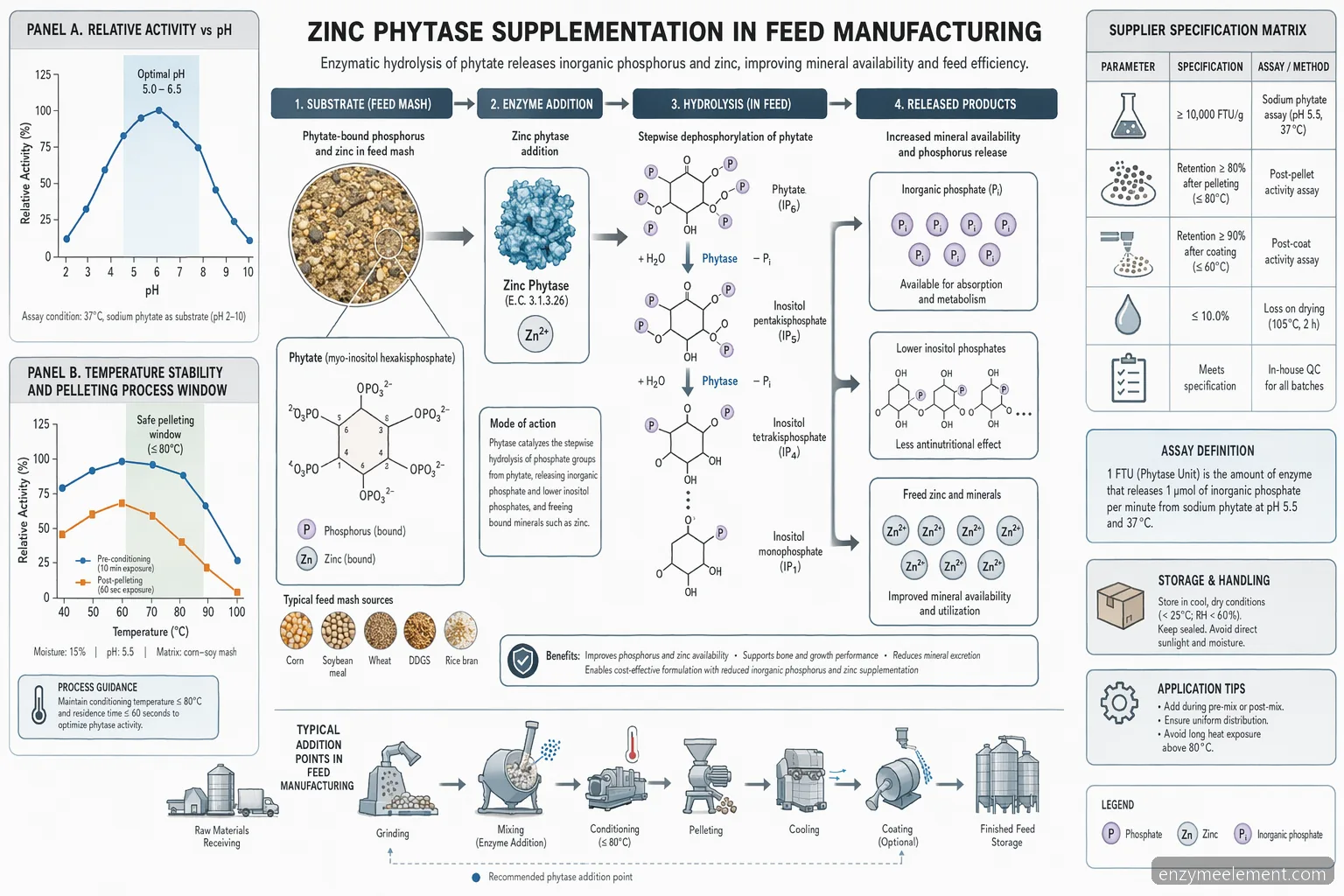
Phytase dosage is normally expressed as activity units per kilogram of finished feed, with commercial inclusion depending on declared activity, diet phytate level, target phosphorus release, and species. Many feed programs evaluate bands from 250 to 2,000 FTU/kg finished feed, while higher or lower levels may be justified by local regulations, nutrition targets, or validated matrix values. A supplier should not provide a one-size-fits-all recommendation without understanding the formula, ingredient variability, calcium level, available phosphorus target, and processing conditions. For aquaculture, water stability, extrusion heat, and feeding behavior may add extra validation needs. For plant nutrition inquiries, phytase may be evaluated differently, but this page focuses on animal feed buyer requirements. Always confirm matrix values through nutritionist review and controlled pilot trials.
Common evaluation range: 250 to 2,000 FTU/kg finished feed • Key variables: phytate content, calcium level, species, and phosphorus target • Do not rely on matrix values without validation under your feed conditions • Aquaculture may require added checks for extrusion and water exposure
QC Checks Buyers Should Require
Industrial enzyme procurement should include routine quality control at incoming goods, formulation, and finished feed stages. Ask the supplier for a Certificate of Analysis confirming activity, appearance, moisture or loss on drying if relevant, microbiological limits where applicable, batch number, manufacturing date, and expiry or retest date. The Technical Data Sheet should describe activity definition, recommended use conditions, storage guidance, and handling precautions. The Safety Data Sheet should address dust, respiratory sensitization risk, protective equipment, and spill handling. In feed mills, practical QC may include retained samples, activity assays on incoming phytase, homogeneity testing after mixing, and enzyme recovery after pelleting or extrusion. Buyers should also review packaging integrity, lot traceability, and change-control communication.
Request COA, TDS, and SDS for every commercial grade • Test incoming activity against agreed specification • Measure mixing uniformity and post-pellet recovery • Retain samples by lot for traceability and dispute resolution
Supplier Qualification and Cost-in-Use
A low price per kilogram does not always mean a low-cost phytase program. Cost-in-use should compare delivered activity, recommended dosage, pelleting recovery, phosphate replacement value, logistics, shelf life, and technical support. During supplier qualification, request representative samples, a current specification, allergen or feed safety statements as relevant to your market, and documentation of manufacturing controls without assuming certifications that are not verified. Pilot validation should include your ingredients, mixer, conditioner, pellet mill or extruder, packaging, and storage conditions. A strong phytase supplier will help interpret activity loss, recommend application adjustments, and support scale-up without overstating outcomes. For zinc phytase supplementation strategies, the best supplier is one that treats mineral compatibility, enzyme stability, and nutrition economics as one integrated feed manufacturing problem.
Compare cost per effective FTU delivered to the animal • Include freight, shelf life, recovery, and formula savings • Run pilot trials before long-term purchasing commitments • Evaluate supplier response time, documentation quality, and change control
Technical Buying Checklist
Buyer Questions
No. On this page, zinc phytase supplementation refers to B2B feed formulation work involving phytase enzymes and zinc sources in animal feed systems. It is not medical supplement advice and does not address consumer products, cosmetic uses, or zinc phytase botox searches. Feed buyers should evaluate enzyme activity, mineral compatibility, processing stability, and nutrition economics with qualified nutrition and regulatory teams.
Phytase is an enzyme that helps release phosphorus bound in phytate from plant ingredients such as corn, soybean meal, wheat, and oilseed meals. Feed mills buy phytase to improve phosphorus availability, reduce reliance on inorganic phosphate where formulation data supports it, and manage nutrient output. The purchase decision should be based on verified activity, process recovery, species-specific matrix values, and consistent supplier documentation.
Zinc citrate with phytase may be technically possible, but compatibility should be tested under your exact premix conditions. Trace minerals, moisture, acidity, carrier choice, and storage time can affect enzyme stability. Buyers should request supplier guidance, then run activity retention tests after blending and storage. If activity loss is significant, options may include separation, shorter premix hold time, coated phytase, or liquid post-pellet application.
Start with a specification, COA, TDS, SDS, representative sample, lot traceability process, and clear activity method. Then run pilot validation using your feed formula, mixer, pelleting or extrusion conditions, packaging, and storage profile. Compare cost-in-use rather than price per kilogram. A qualified supplier should support troubleshooting, provide consistent documentation, communicate changes, and avoid unsupported performance claims.
Phytase for Research & Industry
Need Phytase for your lab or production process?
ISO 9001 certified · Food-grade & research-grade · Ships to 80+ countries
Frequently Asked Questions
Is zinc phytase supplementation the same as a human zinc supplement?
No. On this page, zinc phytase supplementation refers to B2B feed formulation work involving phytase enzymes and zinc sources in animal feed systems. It is not medical supplement advice and does not address consumer products, cosmetic uses, or zinc phytase botox searches. Feed buyers should evaluate enzyme activity, mineral compatibility, processing stability, and nutrition economics with qualified nutrition and regulatory teams.
What is phytase and why do feed mills buy it?
Phytase is an enzyme that helps release phosphorus bound in phytate from plant ingredients such as corn, soybean meal, wheat, and oilseed meals. Feed mills buy phytase to improve phosphorus availability, reduce reliance on inorganic phosphate where formulation data supports it, and manage nutrient output. The purchase decision should be based on verified activity, process recovery, species-specific matrix values, and consistent supplier documentation.
Can zinc citrate with phytase be used in premixes?
Zinc citrate with phytase may be technically possible, but compatibility should be tested under your exact premix conditions. Trace minerals, moisture, acidity, carrier choice, and storage time can affect enzyme stability. Buyers should request supplier guidance, then run activity retention tests after blending and storage. If activity loss is significant, options may include separation, shorter premix hold time, coated phytase, or liquid post-pellet application.
How should we qualify a phytase supplier for animal feed?
Start with a specification, COA, TDS, SDS, representative sample, lot traceability process, and clear activity method. Then run pilot validation using your feed formula, mixer, pelleting or extrusion conditions, packaging, and storage profile. Compare cost-in-use rather than price per kilogram. A qualified supplier should support troubleshooting, provide consistent documentation, communicate changes, and avoid unsupported performance claims.
Related: Phytase Feed Activity & Assay
Turn This Guide Into a Supplier Brief Request a phytase sample, COA/TDS/SDS package, and pilot validation support for your feed formulation. See our application page for Phytase Feed Activity & Assay at /applications/phytase-feed-activity-assay/ for specs, MOQ, and a free 50 g sample.
Contact Us to Contribute